Friday, May 13, 2016

Is Your Inbound Marketing Website Failing Any of These Basic Accessibility Tests?

ThinkstockPhotos-495066596-354723-edited.jpgAs an Inbound Marketer, driving targeted traffic and leads to your website should always be your primary goal. Whether you're improving your content for SEO, tweaking your Adwords copy to boost click throughs, or testing messaging in social media updates, every incremental gain in traffic and leads matters.


That's why it's so critical to ensure that your website meets these widely accepted accessibility standards. By maximizing your accessibility, not only will you be ensuring your website can be viewed by the largest audience possible but you'll also be providing a better overall user experience for each of your visitors.

That said, when you're focus on driving inbound marketing results evaluating your website for accessibility can seem like a daunting or unnecessary task at first glance.


Region dependent accessibility legislation can further complicate this matter - different countries may have their own preferred accessibility standards. However, by focusing on four core areas-text contrast, form structure, image tags, and navigational pathfinding-you'll improve the overall accessibility of your site and nurture inbound and design best practices at the same time.

In this article, we will take a closer look at these four core areas. 


Along the way, we will offers tips on how to maximize the accessibility of your website. We'll also provide you with a collection of helpful tools that can ensure your website is meeting the lofty accessibility standards you have set for it.

Before we get started, every year we dig into the latest research, trends and opportunities in the field of inbound marketing. If you'd like to brush up on your current knowledge of inbound marketing download a free copy of our recently released 2016 Edition of the Executive's Guide to Inbound Marketing. The 40+ page document is packed with actionable insight to help you accelerate your inbound marketing results.

Without further ado, let's go over the four basic website accessibility tests every inbound marketer should be aware of.


1) Contrast


You put a lot of time and thought into writing great copy, so why risk it not being accessible to a portion of the visitors to your site? Ensuring that your text content is readable for your entire audience by checking its contrast can improve the overall accessibility of your website and could even help drive down your bounce rate.


Similar to how contrast can be used to allow a CTA to really “pop”, it's important that the contrast ratios of text and background pairings facilitate ease of readability. Generally speaking, the following standards should be met:


Small Text (less than 18 point, or 14 point point bold) - Minimum ratio of 4.5:1
Large Text (18 point or 14 point bold) - Minimum ratio of 3:1


Strictly speaking, these minimums are borrowed from a set of web accessibility guidelines called Web Content Accessibility Guidelines 2.0 (WCAG 2.0) but similar guidelines are common to ISO and ANSI standards.

low-contrast.jpg

While the example above is a bit exaggerated, it clearly demonstrates how a less than ideal contrast ratio can impact the readability of your content. Ensuring that the ratio between your text and its background meets these minimums will help improve your website user experience, especially for those visitors with low colour vision.

While a variety of semi-automated tools exist for checking contrast, they can often get tripped up when checking text placed over a background image. As a result, doing a manual check using a tool like Colour Contrast Analyzer is often the best approach. Remember, page copy is not the only element that should be evaluated. By checking CTAs, menus, tooltips and forms, you will support the best possible user experience.


2) Images


Like copy, you depend on the images within your sites to convey a tremendous amount of information, so it's critical that visual site content be accessible to all traffic.


Visitors to a site with a visual impairment may be reliant on assistive technologies such as screen readers which convert content to audio descriptions and cues. If an image is added to the site “as-is”, they will be ignored by these types of technologies and you risk subjecting that segment of traffic to a less than ideal experience.

So how can you prevent this from happening?

Tagging images within your site with a particular type of notation called “alt text” allows assistive technologies to parse images within your page. This ensures your content can be consumed by the widest possible audience.

img.234455A green apple on a wooden surface with a dark background

Review the two images above. While they are both images of an apple, they are not entirely the same. If you inspect the underlying code for each image, you'll discover the one on the right contains alt text that describes its content. This simple addition makes a tremendous difference to users relying on screen readers:

apple-2.2.jpgapple-1.2.jpg

When evaluating your image content there are two further things to keep in mind (per W3):


  • Avoid using images of text, for example, an image of a word. While alt text can be used to enhance the accessibility of this content it is often better conveyed as some form of text.

  • If you're confident that a given image is purely decorative, use a null alt text attribute to allow screen readers to ignore the content.


You can easily identify missing or poor alt text on your website by using the Wave Toolbar.

Taking the time to effectively include alt text tags has an added benefit beyond addressing accessibility. Search engines employe automated tools called spiders which index the content of your site. These tools can easily parse the images within your page, ensuring your page is ranked based on the full value of its content.


3) Forms


The use of forms in websites, with an inbound marketing focus or otherwise, is ubiquitous. Ideally, the data you collect through the use of forms will be accurate and complete, especially when that form information is being used in the context of e-commerce or in generating inbound leads.

You may think that the accessibility of forms would add another layer of complication, but the opposite is true. In fact, ensuring forms follow accessibility guidelines actually works to improve the quality of data you're collecting and should encourage completion rates.

Let's look at three ways to address form accessibility:


Labels


Ensuring all forms within your site have a label element allows visitors using assistive technologies to identify the purpose of the form prior to providing input. Without a label element, the intent of a given form could be lost or misunderstood by a segment of your traffic. This technique can be taken a step further by including an example of the data a field is requesting (ex. MM-DD-YYYY) within the label itself.


Instructions


Providing instructions for forms can be addressed in a number of different ways besides the form label. The two further common methods would be the use of a placeholder tag with associated placeholder text, or adding instructions in the page itself. These form instructions can be linked to single form element or a group of inputs depending on the the information being requested.


Error correction/validation


Although it may not be suitable for all form types, validation or error correction can provide one last safeguard against incorrect or invalid data being submitted by a visitor to your site.


On a text entry field for an e-mail address, you can verify the address a visitor provides meets a basic set of criteria before accepting it (for example, does it contain an “@” symbol). Taking the email example a step further, free API's can be leveraged which provide rich feedback for a wide set of error conditions like common email domain misspellings.


More broadly, required field should also have a means of drawing attention to themselves if left empty. Effectively using highlights and alerts will ensure no form is abandoned before submission.


Once again, the Wave Toolbar is an excellent tool for reviewing form accessibility on your website.

It is important to note that you do not necessarily need to implement every one of these strategies for every form - improving accessibility should not hinder the overall usability of the page. Conversely, excessive or incorrect use of these approaches can cause further accessibility problems. For example, adding multiple or conflicting form labels will cause more harm than good.

Frequently, the most critical functions of websites depend on form data - implementation of these basic accessibility strategies will help all visitors complete them.


4) Navigation


Implementation of well thought out site navigation and location cues is an exercise that serves many masters. Effective execution of this design element can have a positive effect on SEO, general usability and adherence to accessibility best practices. Similar to the other accessibility areas discussed previously, you do not want to hide great content behind unclear navigation.

Staying with the theme of easy wins, let's review three aspects of navigation that can have a substantial positive impact on your site:


Multiple Ways to Navigate


While it is often overlooked, there should be multiple paths for users to browse to any given page. Where possible, inclusion of a search mechanism will ensure that pages at all levels of your site can be accessed with a minimum number of required actions from users. Further supporting the idea of minimizing impediments to content is the implementation of a sitemap, which offers a simplified representation of your site architecture to those who need it. Last, the use of breadcrumbs (as shown below) can support two goals. 


breadcrumbs.jpg


First of all, navigation breadcrumbs provide a supplementary means of accessing content, while indicating to the user where they are currently located with respect to the site structure.


Location is Always Clear


A user should never feel lost while browsing your site and great design can go a long way to support this goal. As noted previously, breadcrumbs are a common solution to this problem as they address multiple accessibility concerns and require minimal effort to implement. Existing menu elements can also be updated to provide navigational cues by highlighting the current location (page and sub-section) of the user with respect to the site layout as seen in the example below: 


menu-highlight.jpg

Now that you've put the time into an effective menu, search and breadcrumbs, you need to make sure that they are consistently displayed from page to page.


Consistent Navigation


Assume for a moment that a user is visiting you site for the first time and is searching for information, starting at its homepage. They briefly assess the menus available then navigate to where they believe they will find the content they came for. If they don't find the information they wanted, or they require further information, what is their next step?


Ideally, they should be able to refer back to their previous navigational assumptions and continue without returning to the homepage. In this scenario- and to support an overall accessible design-it is imperative that the location and behaviour of your site's navigational elements are predictable from page to page.

Beyond removing hurdles between users and your site content, navigational design elements like sitemaps, breadcrumbs and search provide additional avenues through which your site sub-pages can be found and indexed by search engines.


In Closing

By focusing on and addressing these oft-overlooked accessibility problems, you can confidently lay the foundation for a fully accessible website. In doing so, you can improve the overall user experience of visitors to your website, resulting in an increase of traffic, leads, and-most importantly-customers.


Executives-Guide-to-Inbound-Marketing.jpg

Thursday, April 14, 2016

How a Knowledge Discovery Program Elevates Your Content Curation

ThinkstockPhotos-488758071-215597-edited.jpgMarketers need to keep their pipeline full of the most relevant and cutting-edge content that will effectively speak to their audience and convert them into qualified leads. The problem; however, is that curating that content takes a lot of time - and if you're manually searching the web for new ideas, it's likely that you're missing some impactful gems.

Content curation tools can help speed up your searching by serving you relevant articles based on pre-selected keywords; however, these tools are missing one vital component of a sound content curation program: internal content.


A strong marketer is equipped with the content ammo they need to excel. Ideally, they'll leverage the collective intelligence of their organization (Sharepoint, databases, etc.), and integrate that with relevant content from external sources (web, blogs, social, etc.) and premium subscriptions.


The key reason that knowledge discovery promotes this notion is that it naturally allows for an integrated approach to identifying, capturing, evaluating, retrieving, and sharing all of an enterprise's information assets. Knowledge discovery is the ability to find the right information and deliver it to the right people at the right time, reinventing how organizations discover, collaborate, and share knowledge. By using a knowledge discovery tool, marketers can pull the most relevant content from three primary sources:


  • The web - Blogs, social media, etc.

  • Premium subscriptions - Paid access to premium content (Forrester and Gartner)

  • Internal content - Sharepoints, databases, wikis, etc.


With all of this awesome knowledge at your disposal, not only will you keep your pipeline full, but you'll be able to ramp up onboarding, training, and continued learning.


Knowing that you need to curate relevant content from a number of sources is one thing, but identifying the most relevant content on an ongoing basis is a whole other beast. Knowledge management is a long-time need, but marketers need to do more than simply "manage" knowledge. Being able to discover and use the knowledge in context is the key.


So, how can you pull the right information at the right time without spending hours upon hours digging through data? Using a knowledge discovery platform is the best way to understand novel topics deeply and quickly. Not only will this help you keep up with current trends, but it will help you gain a competitive advantage. With capabilities like competitive monitoring and faster contextual discovery of knowledge, getting a leg up on your competitors is inevitable.


There are a number of tools in the KM marketplace. Software like SmartSupport and Confluence help organizations find, share, and collaborate on information, connecting people with the answers they need. Brainspace for Enterprise is the only knowledge discovery tool that allows business users to discover the latest and most relevant content from any internal or external sources, spearheading innovation.


Marketers that leverage these tools will continuously receive internal and external content relevant to their industry, roles, and competitors - which will help them elevate their skillsets and capitalize on strategic marketing opportunities for their organization. Teams will then be able to:


  • Understand novel topics deeply and fast

  • Keep up on current trends

  • Continuously learn and develop

  • Gain competitive advantage


Knowledge discovery increases the level of connectedness between people in organizations, thus accelerating innovation. If your company is striving to innovate, they'll be onboard with implementing KM tools.


If marketers striving to unlock the knowledge trapped within their organizations leverage knowledge discovery, they'll have all the best content they need, in real time. Knowledge for onboarding, content curation, continued education, competitive monitoring, and other “everyday” marketing tasks will be right in the palm of their hands, saving countless hours of inefficient searching. So, if you think it's about time to reinvent yourself as a content curator, start discovering!


If you're interested in a more in-depth review of how knowledge management and discovery can be leveraged for marketing success, continue learning now with this eBook, 4 Ways to Leverage Knowledge Management for Marketing Success.


New Call-to-action


Saturday, April 9, 2016

Emotional Advertising: How Brands Use Feelings to Get People to Buy

emotion-advertising.png


This post originally appeared on HubSpot's Agency Post. To read more content like this, subscribe to Agency Post. 


Ads that make people share and buy can usually be summed up in one word: emotional.


That should be no surprise. Studies show that people rely on emotions, rather than information, to make brand decisions -- and that emotional responses to ads are more influential on a person's intent to buy than the content of an ad.


As Douglas Van Praet, author of Unconscious Branding: How Neuroscience Can Empower (and Inspire) Marketing, wrote in Fast Company, “The most startling truth is we don't even think our way to logical solutions. We feel our way to reason. Emotions are the substrate, the base layer of neural circuitry underpinning even rational deliberation. Emotions don't hinder decisions. They constitute the foundation on which they're made!”


Unruly, which ranks the most viral ads each year, found that the most-shared ads of 2015 relied heavily on emotional content, specifically friendship, inspiration, warmth, and happiness. Examples include Android's Friends Furever and Kleenex's Unlikely Best Friends.


This emotional awareness from brands hasn't always been the case, though. In the 1990s and early 2000s, advertisers were more concerned with humor and sarcasm. 


Pereira & O'Dell's chief creative officer PJ Pereira said: "I think what's happened is that the ad industry has spent the last decade celebrating bitterness and cynicism and being mean to people. For a while it was great because it was different from everyone else, and then it became a trend and people got sick of it. It wasn't funny or interesting anymore. So when things started to pop with a totally opposite voice, the customers totally reacted."


How Emotion Is Used in Advertising


Historically, people have recognized six core emotions: happy, surprised, afraid, disgusted, angry, and sad.


However, in 2014, the Institute of Neuroscience and Psychology published research stating that the distinction between four of these emotions were based on social interactions and constructs. Instead, human emotion is based on four basic emotions: happy, sad, afraid/surprised, and angry/disgusted.


Based on these four categories, let's look at how brands are using emotions to drive connection and awareness:


1) Happy


Brands want to be associated with smiling, laughing, happy customers, and positivity has been shown to increase sharing and engagement. A study in 2010 of the most-emailed New York Times articles found that emotional articles were shared more often, and positive posts were shared more than negative ones. 


The most-shared ad of last year -- and of all time -- was Android's Friends Furever, showing clips of unlikely and undeniably cute animal friends.


When Coca-Cola recently changed its tagline from “Open Happiness” to “Taste the Feeling,” it maintained its focus on happy images of people connecting and engaging one another, such as the below ad showing the bond between siblings.


2) Sad


I watch a lot of ads. (Hey, it's a requirement for the job.) I've noticed that, increasingly, those ads have turn me into a blubbering, emotional wreck. There's nothing like a good cry at work on a regular basis to make your desk neighbors question your stability.


In the past few years, as brands have recognized the popularity of emotional content, more and more companies have focused on creating inspirational and moving ads.


MetLife Hong Kong produced this heartbreaking ad featuring a daughter who describes all the things she loves about her dad, yet the story breaks down when she also describes all the ways he lies to her.


For the Sochi Olympic Games in 2014, P&G continued its theme of recognizing mothers and their unwavering support.


3) Afraid/Surprised


Fear is a natural instinct -- one that helps us to react appropriately to threats to increase our chance of survival.


Fear creates urgency and prompts us to take action; to change or more importantly for this story, buy something that will prevent terrible things from happening. As Don Draper said in a Mad Men episode, “Advertising is based on one thing: happiness. And you know what happiness is? Happiness is the smell of a new car. It's freedom from fear. It's a billboard on the side of the road that screams reassurance that whatever you are doing is okay. You are okay.”


A lot of scare-vertising tactics can be seen in commercials to prevent drunk driving and cigarette smoking. The World Wildlife Fund is one brand known for its controversial and fear-inducing imagery.


wwf-climate-change.jpg


Image Credit: Trend Hunter Eco


However, this approach is risky. In 2015, Nationwide released an ad during the Super Bowl to promote conversations about child safety and preventable injuries in the home. The ad was disturbing to many viewers. The video features a young boy who talks about all the things he'll never do, and ends with the line "I couldn't grow up because I died from an accident." While attention-grabbing, the ad was called depressing and insensitive by viewers and the CMO of Nationwide resigned from his position just a few months later.


Surprise can also take a positive form as can be seen in one of the best ads of 2015.


4) Angry/Disgusted


Most people think that it is best to avoid anger -- it's a negative emotion that will cause negative associations. But in some cases, anger can wake people up and spur action. We become angry when we see another person hurt or an injustice. Disgust and frustration can cause us to reconsider our perspective and ask important questions.


A study of the most popular images on imgur.com found that while negative emotions were less common in viral content than in positive, viral success happened when the negative images had an element of anticipation and surprise.


Always' Like a Girl campaign, which won an Emmy, a Cannes Grand Prix award, and the Grand Clio award, uses a famous insult to grab your attention. 


Save the Children's ad reminding people of the effect of the Syrian crisis on children provokes both sadness and anger.


Which emotions do you associate with specific brands? How have you used emotion in your client's advertising? Let us know in the comments below.


client-agency-checklist


Friday, April 1, 2016

How Emotional Targeting Converts More Leads

A study found “that websites with a stronger emotional impact produced a greater intent to buy.”


Appealing to your audience's emotions creates a connection. Whether you're designing product descriptions or landing pages, your team must aim to evoke emotion into your messaging.


That's why storytelling works so well. It's a powerful way to engage your customers.


Research by Pringle & Field found that “emotional campaigns outperform on almost every metric,” including revenue, profit, and share gain.


Emotional targeting produces authentic content that speaks the consumer's language. It's those irresistible stories that touch people's hearts and propels them to purchase your products.


Ready for a challenge? Learn how to convert more leads with high-impact emotional messages.


1. Psychological Triggers


Emotions determine our everyday decision-making. We buy when we're sad. We buy when we're happy.


However, most brands miss the opportunity to develop an emotional link with shoppers. They focus on product features, rather than understanding the feelings behind the purchase.


In 2014, Facebook “revealed that it had manipulated the news feeds of over half a million randomly selected users to change the number of positive and negative posts they saw.”


This controversial psychological study found that people mimic the emotions expressed in online content. So, if people read a positive post, they are more likely to respond positively.


With that in mind, prepare your SaaS to develop digital marketing campaigns ingrained with psychological triggers. For instance, happiness induces people to share.


Serial entrepreneur Neil Patel says, “When your content drives people to a state of happiness or joy, they will automatically respond to your offers, feel obliged to share your content, and will stop at nothing to tell others about you.”


Here's an example from Moz. Their Whiteboard Friday videos express excitement as experts teach SEO and online marketing skills, and they receive thousands of YouTube views.


rand-moz-whiteboard-friday


Also, A/B test your campaigns based on behavioral and emotional marketing, not tactical elements.


Talia Wolf, the Founder and CEO of Conversioner, states, “Great marketing campaigns look at the entire product as an ecosystem. Rather than just changing the headline, or the colors of individual elements, they approach the product as a whole.”


There is real value in tapping into people's emotions. Work with your team to develop digital content that connects to your shoppers' sentiments. It will help maximize your lead conversions.


2. Memorable Experiences


Memories are precious moments in our lives.


We remember graduating from high school, breaking up with our first romantic partner, or even that embarrassing moment when we flopped a presentation. These experiences evoke us to think about how we felt at that particular time.


To harness the power of memorable experiences, associate your brand's shopping experience with your customer's life events. For example, transfer the same emotions customers felt when they got married or bought their first home.


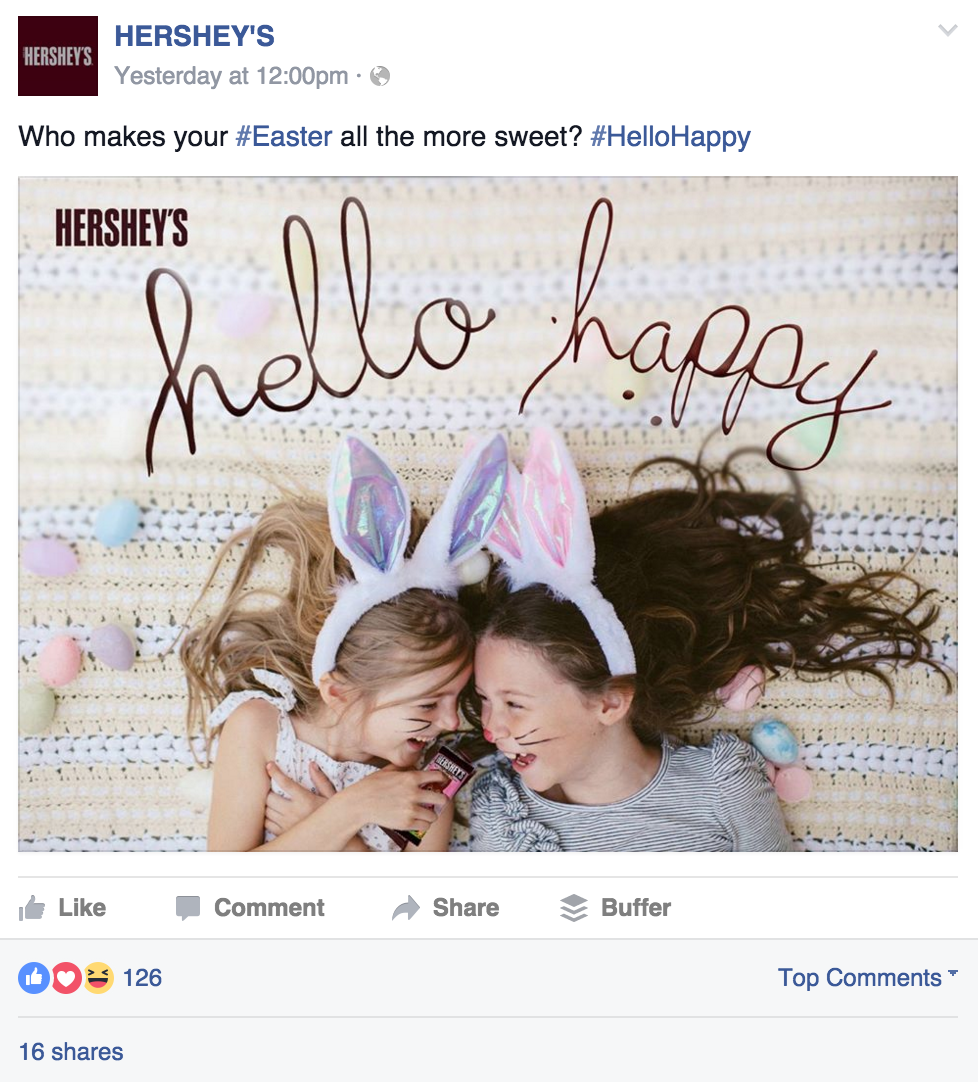
For instance, chocolate is usually associated with joy. Hershey's is keeping that alive with its #HelloHappy campaign.


hersheys-hello-happy-campaign


Stacie Stauffer, senior brand manager at Hershey's, told AdFreak the following:


“The second you say 'Hershey,' the most amazing thing happens. This giant flood of emotions and memories happens-when I made s'mores camping, or stirred up chocolate milk with my mom. That solidified that we should be speaking more as [one] brand, and from a much more emotional place.”


This type of emotional targeting makes consumers feel subconsciously connected to your brand. They are compelled to read more, click on your offer, and even purchase your services.


Chris Dalton recommends offering value without expectations.


He said, “Sometimes, the best sales pitch is no pitch at all. Consumers have become savvy to ignoring direct sales tactics or sleazy methods. If you offer information relating to your products with honesty and transparency, your customers will notice.”


Buffer does an effective job by giving its customers an inside peek at their operations. Check out their BufferOpen blog about their “journey to greater productivity, more transparency and a happier work culture.”


buffer-open-blog-post


Map out a path to connect your customers' memories with your brand. And sometimes that means not selling, just providing value.


3. Visual Storytelling


DemandGen Reports noted that video content for B2B marketing increased by 8% to 54%, and infographics jumped 9% to 52% in 2014. It's becoming a necessity to use visuals as part of your marketing strategy.


A good visual stimulates people's senses. It can create fear, elicit pity, or showcase friendship. Font styles make a difference, too. People consider clear, readable font as trustworthy.


But you can't just plop any picture on your website or Instagram account. Freelance writer Dawn Papandrea agrees:


“To make visual storytelling work, however, you can't simply slap a few stock photos onto your blog or social media posts. Just as headlines and calls to action must be crafted carefully, your visual content deserves more than a second thought.”


From screenshots to actual photographs, think about how to convey emotion to your audience. Do you need a wide-angle shot? Will a big red arrow show more impact for the viewer?


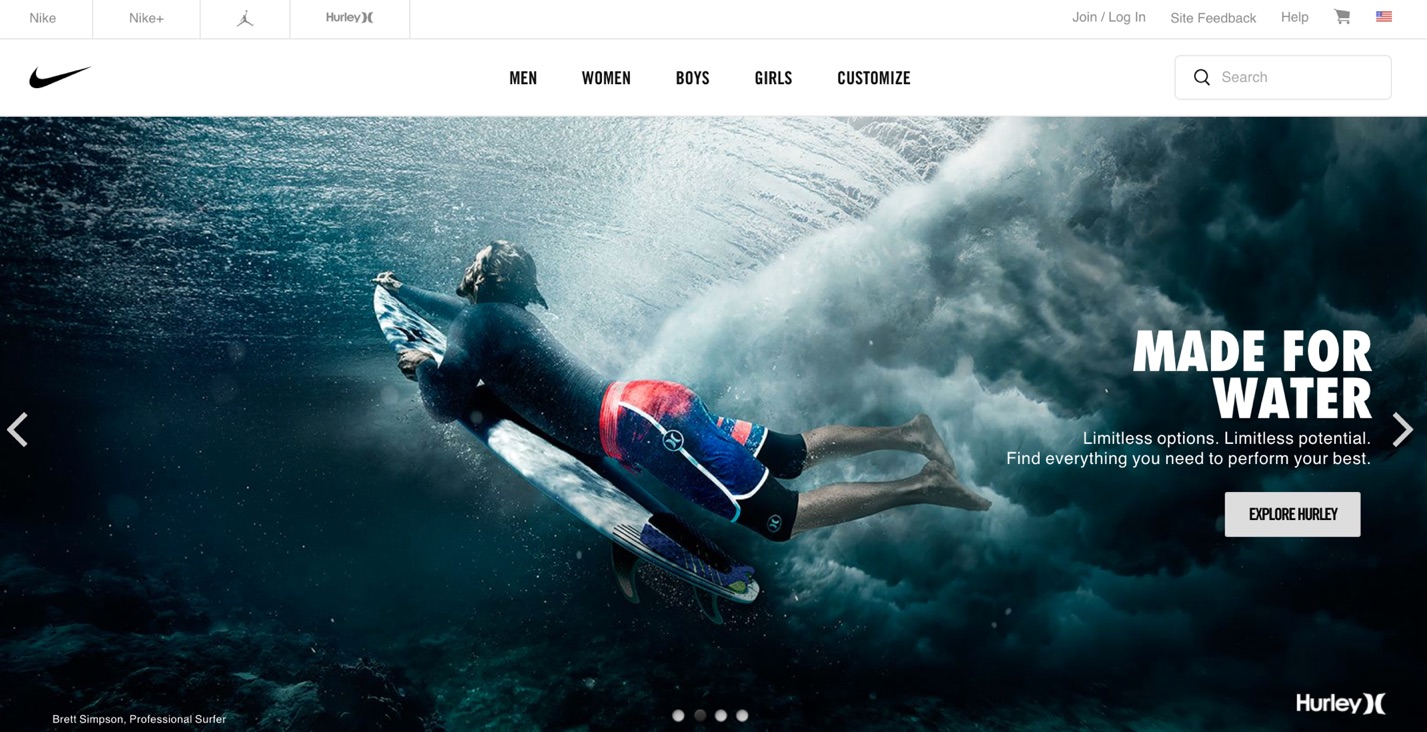
nike-made-for-water


In the above picture, Nike displays the endless possibilities customers can experience with their apparel. It's all about the adventure and the limitless options the brand offers its consumers.


In addition, be aware of diversity in your visuals. Cultural shifts happen within our society.


Not everyone will be on board with your company's inclusiveness. But don't let that stop your eCommerce store's progression.


General Mills faced negative backlash for featuring an interracial couple in their 2014 Cheerios Super Bowl commercial ad. Despite some disapproval, there was also an overwhelming positive response applauding their diversity efforts.


Use visual storytelling to communicate emotion to your customers. From infographics to videos, give your shoppers a better understanding of your brand's culture.


4. Social Proof


We're humans. We want to belong.


Social proof in marketing activates those desires to be affiliated with a specific group of people or worthwhile cause.


Social media strategist Michael Sherman, says, “For many, a proven testimonial or example is the emotional trigger a person needs to say yes on buying your products and using your services.”


Old Navy appeals to shoppers' sense of belonging. They focus on offering trendy clothes at affordable prices.


In the tweet below, the retailer implies that if you want to get ready for spring and be happy with your friends, purchase from their wide-selection of clothes.


For social proof to work well, your brand must truly understand your consumers' motivations and intentions.


For example, expert social proof may emotionally influence your consumers to take action. This happens when an industry influencer or well-known blogger publicly approves a product. Those endorsements look like a basic quote or a video testimonial.


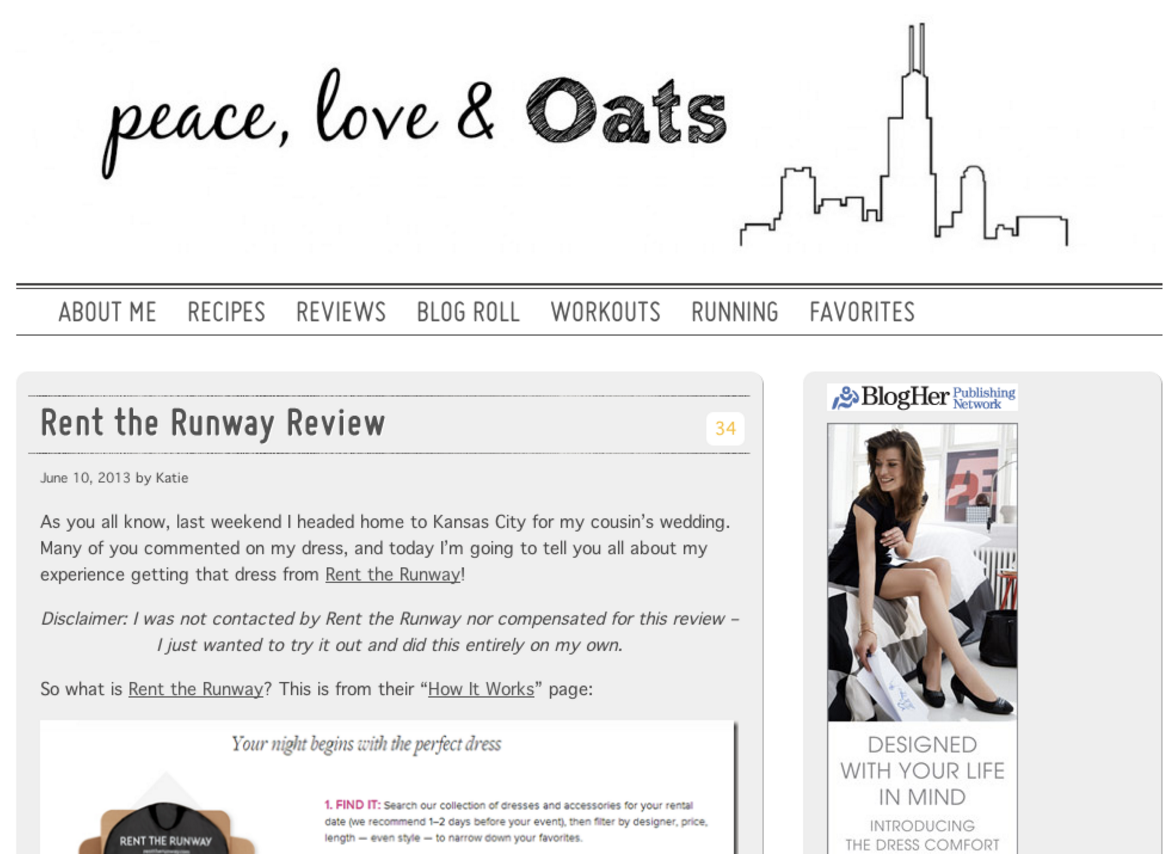
Rent the Runway experienced a 200% higher conversion rate from mentions by a fashion magazine or blogger than paid search.


peace-love-oats


Learn what riles up your consumers. Identify experts that appeal to your audience and coincide with your brand's values. Give people the social proof they need to buy your products.


Target Emotions


Strive to build an emotional connection with your buyers. As a result, customers will feel connected with your brand and purchase more.


Strategize on how to add psychological triggers. Ditch transactional relationships for memorable experiences. And invest in visual storytelling to express your brand better.


Target people's emotions to convert more leads.


About the Author: Shayla Price lives at the intersection of digital marketing, technology and social responsibility. Connect with her on Twitter @shaylaprice.


How Emotional Targeting Converts More Leads

A study found “that websites with a stronger emotional impact produced a greater intent to buy.”


Appealing to your audience's emotions creates a connection. Whether you're designing product descriptions or landing pages, your team must aim to evoke emotion into your messaging.


That's why storytelling works so well. It's a powerful way to engage your customers.


Research by Pringle & Field found that “emotional campaigns outperform on almost every metric,” including revenue, profit, and share gain.


Emotional targeting produces authentic content that speaks the consumer's language. It's those irresistible stories that touch people's hearts and propels them to purchase your products.


Ready for a challenge? Learn how to convert more leads with high-impact emotional messages.


1. Psychological Triggers


Emotions determine our everyday decision-making. We buy when we're sad. We buy when we're happy.


However, most brands miss the opportunity to develop an emotional link with shoppers. They focus on product features, rather than understanding the feelings behind the purchase.


In 2014, Facebook “revealed that it had manipulated the news feeds of over half a million randomly selected users to change the number of positive and negative posts they saw.”


This controversial psychological study found that people mimic the emotions expressed in online content. So, if people read a positive post, they are more likely to respond positively.


With that in mind, prepare your SaaS to develop digital marketing campaigns ingrained with psychological triggers. For instance, happiness induces people to share.


Serial entrepreneur Neil Patel says, “When your content drives people to a state of happiness or joy, they will automatically respond to your offers, feel obliged to share your content, and will stop at nothing to tell others about you.”


Here's an example from Moz. Their Whiteboard Friday videos express excitement as experts teach SEO and online marketing skills, and they receive thousands of YouTube views.


rand-moz-whiteboard-friday


Also, A/B test your campaigns based on behavioral and emotional marketing, not tactical elements.


Talia Wolf, the Founder and CEO of Conversioner, states, “Great marketing campaigns look at the entire product as an ecosystem. Rather than just changing the headline, or the colors of individual elements, they approach the product as a whole.”


There is real value in tapping into people's emotions. Work with your team to develop digital content that connects to your shoppers' sentiments. It will help maximize your lead conversions.


2. Memorable Experiences


Memories are precious moments in our lives.


We remember graduating from high school, breaking up with our first romantic partner, or even that embarrassing moment when we flopped a presentation. These experiences evoke us to think about how we felt at that particular time.


To harness the power of memorable experiences, associate your brand's shopping experience with your customer's life events. For example, transfer the same emotions customers felt when they got married or bought their first home.


For instance, chocolate is usually associated with joy. Hershey's is keeping that alive with its #HelloHappy campaign.


hersheys-hello-happy-campaign


Stacie Stauffer, senior brand manager at Hershey's, told AdFreak the following:


“The second you say 'Hershey,' the most amazing thing happens. This giant flood of emotions and memories happens-when I made s'mores camping, or stirred up chocolate milk with my mom. That solidified that we should be speaking more as [one] brand, and from a much more emotional place.”


This type of emotional targeting makes consumers feel subconsciously connected to your brand. They are compelled to read more, click on your offer, and even purchase your services.


Chris Dalton recommends offering value without expectations.


He said, “Sometimes, the best sales pitch is no pitch at all. Consumers have become savvy to ignoring direct sales tactics or sleazy methods. If you offer information relating to your products with honesty and transparency, your customers will notice.”


Buffer does an effective job by giving its customers an inside peek at their operations. Check out their BufferOpen blog about their “journey to greater productivity, more transparency and a happier work culture.”


buffer-open-blog-post


Map out a path to connect your customers' memories with your brand. And sometimes that means not selling, just providing value.


3. Visual Storytelling


DemandGen Reports noted that video content for B2B marketing increased by 8% to 54%, and infographics jumped 9% to 52% in 2014. It's becoming a necessity to use visuals as part of your marketing strategy.


A good visual stimulates people's senses. It can create fear, elicit pity, or showcase friendship. Font styles make a difference, too. People consider clear, readable font as trustworthy.


But you can't just plop any picture on your website or Instagram account. Freelance writer Dawn Papandrea agrees:


“To make visual storytelling work, however, you can't simply slap a few stock photos onto your blog or social media posts. Just as headlines and calls to action must be crafted carefully, your visual content deserves more than a second thought.”


From screenshots to actual photographs, think about how to convey emotion to your audience. Do you need a wide-angle shot? Will a big red arrow show more impact for the viewer?


nike-made-for-water


In the above picture, Nike displays the endless possibilities customers can experience with their apparel. It's all about the adventure and the limitless options the brand offers its consumers.


In addition, be aware of diversity in your visuals. Cultural shifts happen within our society.


Not everyone will be on board with your company's inclusiveness. But don't let that stop your eCommerce store's progression.


General Mills faced negative backlash for featuring an interracial couple in their 2014 Cheerios Super Bowl commercial ad. Despite some disapproval, there was also an overwhelming positive response applauding their diversity efforts.


Use visual storytelling to communicate emotion to your customers. From infographics to videos, give your shoppers a better understanding of your brand's culture.


4. Social Proof


We're humans. We want to belong.


Social proof in marketing activates those desires to be affiliated with a specific group of people or worthwhile cause.


Social media strategist Michael Sherman, says, “For many, a proven testimonial or example is the emotional trigger a person needs to say yes on buying your products and using your services.”


Old Navy appeals to shoppers' sense of belonging. They focus on offering trendy clothes at affordable prices.


In the tweet below, the retailer implies that if you want to get ready for spring and be happy with your friends, purchase from their wide-selection of clothes.


For social proof to work well, your brand must truly understand your consumers' motivations and intentions.


For example, expert social proof may emotionally influence your consumers to take action. This happens when an industry influencer or well-known blogger publicly approves a product. Those endorsements look like a basic quote or a video testimonial.


Rent the Runway experienced a 200% higher conversion rate from mentions by a fashion magazine or blogger than paid search.


peace-love-oats


Learn what riles up your consumers. Identify experts that appeal to your audience and coincide with your brand's values. Give people the social proof they need to buy your products.


Target Emotions


Strive to build an emotional connection with your buyers. As a result, customers will feel connected with your brand and purchase more.


Strategize on how to add psychological triggers. Ditch transactional relationships for memorable experiences. And invest in visual storytelling to express your brand better.


Target people's emotions to convert more leads.


About the Author: Shayla Price lives at the intersection of digital marketing, technology and social responsibility. Connect with her on Twitter @shaylaprice.


Friday, March 11, 2016

Google Eliminates Sidebar Ads: Here's What it Means for Ecommerce

ppc-google-sidebar-ecommerce.jpg


If you’ve searched Google recently, then you may have notice something different. In the past, searches for products pulled up two or three paid ads in the search results, and then along the right side of the screen, more paid ads were displayed. Those right-side ads? They’re gone now. In their place is an opportunity for ecommerce companies.


Hello Product Placement


The words “product placement” bring to mind characters drinking from a can of Coca-Cola during the most exciting scene in the movie. Well, okay, we can run with that. Only, instead of characters, it’s Google search results. And instead of Coca-Cola, it could be your product. 


The paid ads in the results list haven’t changed, but there on the right side, we now see a grid with products that are relevant to the search. Anyone planning to do a bit of shopping just passed a window with everything they ever wanted on display, right?


Screenshot_1-Sidebar_Ads.png


Proper Placement Protocol


If you look closely at the screenshot above, you’ll see that one of these things is not like the others. This is an issue that ecommerce companies will have to address if they hope to make the most of this new product placement. To understand what went wrong, you have to understand how these products appear in the first place. 


We’ve covered the best practices for product ads before, but some things bear repeating. The keywords you bid on for your paid product ads are important. They tell Google what you’re actually selling. If you use the keyword “navy cardigan” when, in fact, you are selling a red one, then you’ll waste money on every click you receive. How many people will buy a red one when navy is what they're searching for?


How You Can Benefit


You can take advantage of this change by double checking your current ad practices. Strategy for these ads is imperative if you want your products to appear during searches. The example above is just one way you could fail at promoting your products. Consider the many ways your users might search for the items you’re selling. What words might they use to find those products? 


Let’s say you have a pair of shoes you want to sell. What color are they? If they’re red, make sure that’s one of the search terms you use. A quick search of red shoes provides the following:


Screenshot_2-Search_Results.png


This is a good start, right? But if you’re actually selling a pair of red heels, there’s a good chance your product ad won’t appear. There are too many other types of red shoes competing for space. So, we need to specify red heels, right?


Screenshot_3-Specific_Search_Results.png


This is a little closer. At least images of red high heels are showing up in this search. The styles are still vastly different, so unless you’ve bid quite a bit on your keywords, you might still be fighting for some real estate in the product ad grid. You could make things easier on yourself by adding more keywords to further narrow the search.


Screenshot_4-Specific_Target_Keywords.png


This final search for red patent heels drills right down to the very type of shoe a buyer may be seeking. Sure, if they just need red heels, they won’t bother adding the material. Those who do want a particular shoe, however, are much more likely to find yours. 


The ad space is growing ever smaller, which means companies need to pay more to secure their spot. Whether you’re trying to find space in the new product display grid or with text ads in search results, don’t be surprised if ad prices blow sky high. For paid ads, your only defense (outside of reaching deep into your pockets) is a strong strategy that weeds out the competition. You need to be thinking smarter about PPC and more about diversifying your acquisition strategy


Drive more revenue by acquiring and retaining more high value ecommerce customers with this on demand webinar series.


Subscribe to the ecommerce blog


Thursday, February 18, 2016

How to Create a Sensible Social Media Strategy for Your Business [Infographic]

ThinkstockPhotos-477545230-712433-edited.jpgMany businesses find social media overwhelming - there are so many networks available, and they're always adding new features for you to learn and integrate into your plan. If you don't have a full-time team of social media experts at your disposal, your success depends on creating a simple and sensible strategy that fits your resources and goals.


Here are a few steps you can take to focus your energy:


1) Define your target audience


If you haven't already identified and documented your buyer personas, start by defining the key demographics of the audience you're trying to reach - age, gender, occupation, income, hobbies and interests, etc. Think about the challenges they're faced with, and what problems they're trying to solve on daily basis. Try to focus on the 3-4 types of people that represent the majority of your buyers - don't get hung up on all the exceptions, or you'll never get started!


2) Start blogging


Fresh content is the linchpin of a successful social strategy, so you'll need to commit to creating fresh, quality content on a consistent basis. Brainstorm a list of the most common questions you hear from your prospects, and commit to writing at least one new blog post a week focused on addressing these questions.


3) Create educational content


Consider creating downloadable content like ebooks, checklists, videos, and infographics that address your buyer's pains. If the content is truly helpful and educational, people will be more likely to share it on social media and extend your reach.


4) Focus on a few key social channels


Most small businesses don't have the bandwidth to establish and sustain a great social media presence on more than a handful of channels. It can also be overwhelming to learn the rules of engagement on a bunch of different networks at one time. Start small. Research key networks to learn where your target audience is most likely to spend time, and focus your effort on building, nurturing, and sustaining a community there before moving on to another channel.


5) Develop a recipe card to guide you


Social media isn't an exact science, so you need to establish a consistent posting and engagement schedule to start seeing results. Start by developing a reasonable recipe card you feel comfortable sticking to. Set goals for how frequently you'll post content and engage your followers, and hold yourself accountable to following your recipe.


6) Measure your results


There are a million things you can track related to social media, so start by looking at how much traffic is being driven to your website or blog from social media. Watch your posts to see what people are responding to, and look for trends related to particular topics or keywords that generate more interest than others. Once you have a sense of what's possible, set goals for key metrics and start keeping a scorecard to measure your progress. Be sure to chose metrics that are easy to gather - if it's too time-consuming to track, you'll fall off the wagon!


  • Net new fans and followers

  • # of interactions

  • Visits to your site from social


7) Adjust your tactics


Unless you're a celebrity, social media doesn't start working overnight. It takes time to build a following, establish yourself as an influencer, and start seeing results. You'll need to experiment a bit to find the right combination of channels, content, and messaging that works for your audience. Over time, you'll be able to adjust your recipe card, content, and personas based on the information you're gathering - which will help you fine tune your strategy and generate more consistent results!


Still overwhelmed? Try using the Whole Brain Group's handy Sensible Social Media Checklist for Businesses - newly updated for 2016 - to get yourself organized.


2016 Sensible Social Media Checklist for Businesses


Source: http://www.thewholebraingroup.com/


New Call-to-action